7 Practical Tips to Improve Transcription Accuracy
AI transcription accuracy is influenced by audio quality, speaking style, and model choice. Here are 7 proven tips to boost quality significantly.


AI transcription accuracy isn't left to chance. Optimize your inputs and workflow to push accuracy from 85% to 95%+.
Tip 1: Use High-Quality Source Audio
Models are sensitive to sample rate. Recommendations:
- Sample rate >= 16 kHz (minimum for speech recognition)
- Bit depth >= 16-bit
- Use a microphone close to the speaker
Tip 2: Enable AI Audio Repair
WuZhiZuo's AI repair auto-denoises, removes background, and fixes clipping:
audio_repair:
  denoise: true
  dereverb: true
  declip: true
Tip 3: Choose the Right Mode
- Cheetah: Clean single-speaker recordings
- Dolphin: Everyday recommendation
- Whale: Complex multilingual, multi-speaker
Tip 4: Specify Language Explicitly
Auto-detection can misjudge code-switched audio. Manual specification avoids errors:
{
  "language": "en",
  "initial_prompt": "The following is English audio content."
}
Tip 5: Use a Glossary
Proper nouns (names, products, acronyms) are error-prone. A custom vocabulary boosts accuracy 5-10%.
Tip 6: Avoid Processing Long Audio at Once
For audio over 2 hours, segment processing reduces context drift. WuZhiZuo Pro auto-segments.
Tip 7: Human-Review the Last 10%
After AI transcription, quickly review questionable passages in the built-in editor. With speaker ID, 10 minutes can review 1 hour of audio.
Summary
Transcription accuracy = source quality x model choice x post-processing. Combine all three for 95%+ accuracy.
Related posts
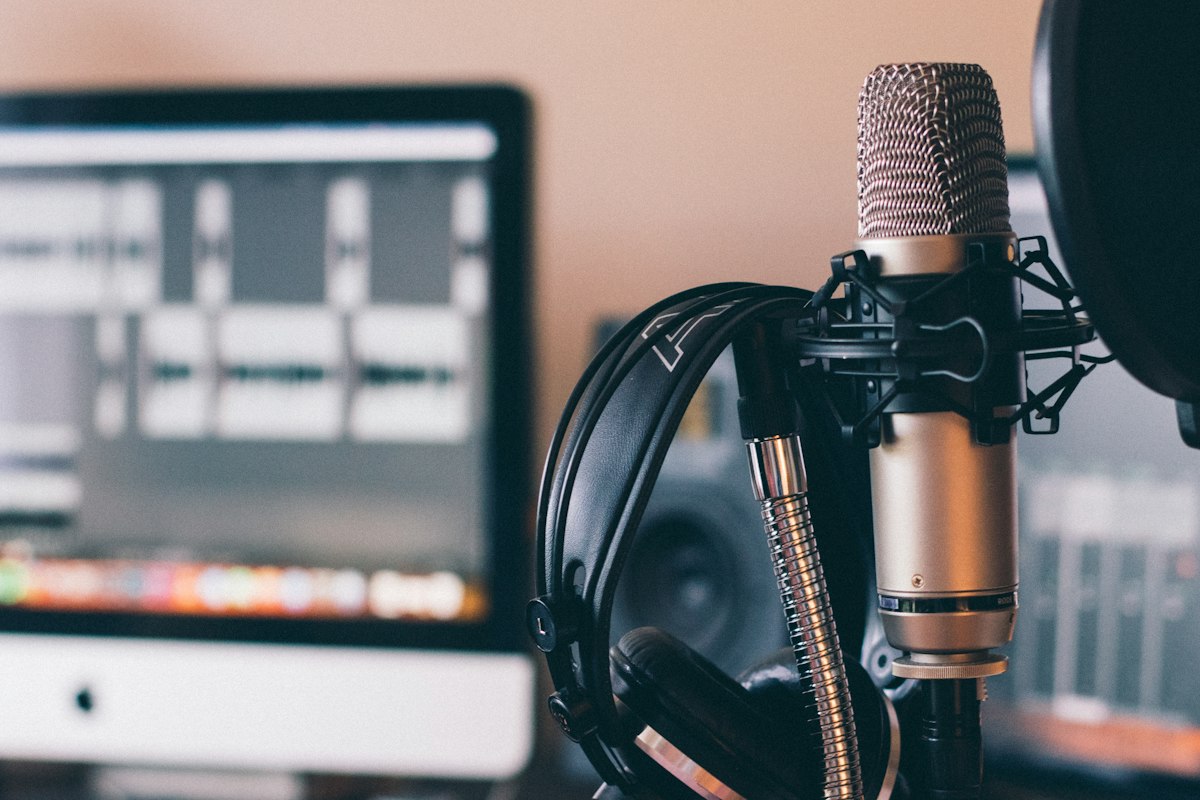
Best Audio to Text Converters in 2026
Compare WuZhiZuo, Otter, Rev, Sonix and other leading audio-to-text tools across accuracy, pricing, and features to find your best fit.
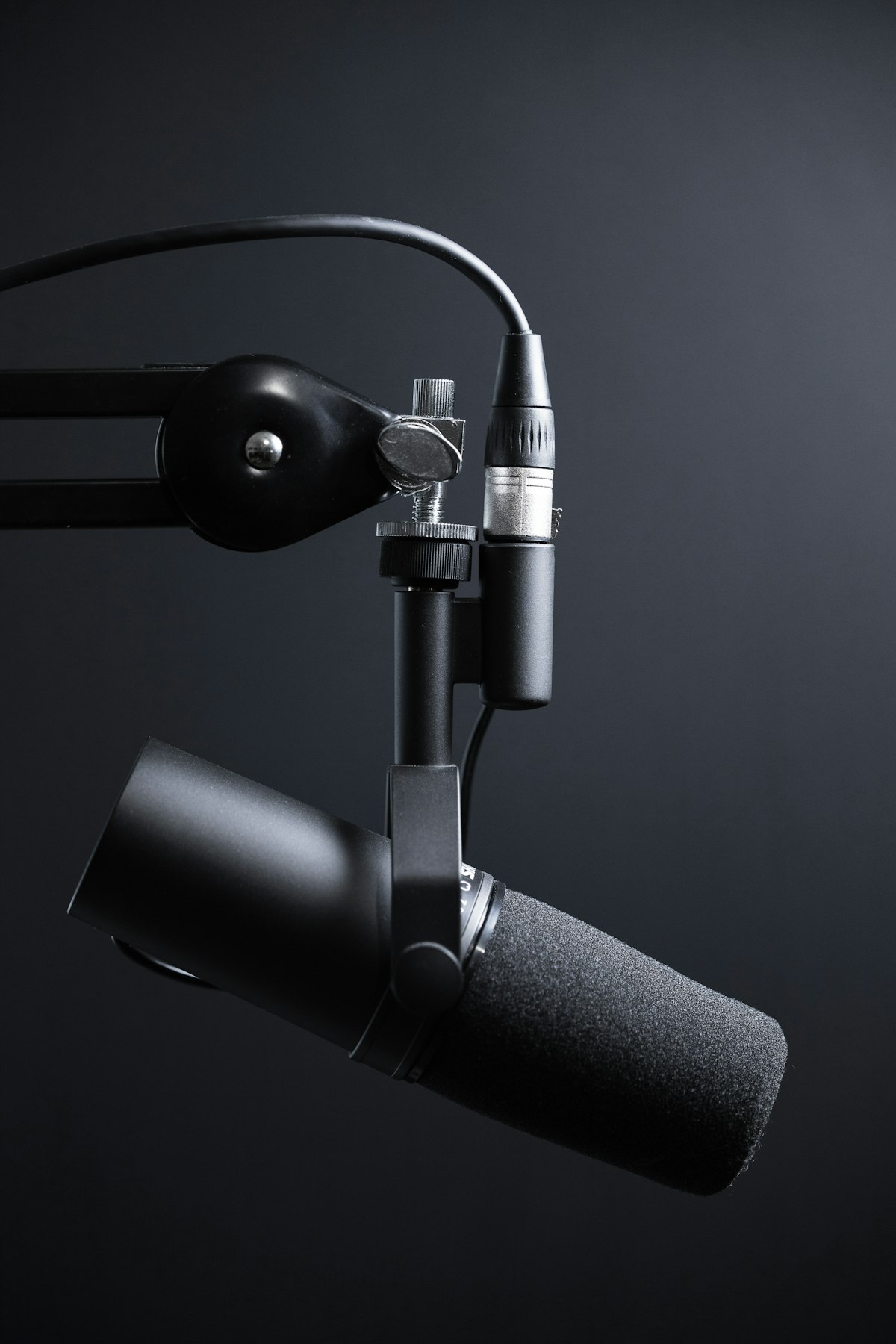
How to Transcribe Audio: A Complete Beginner's Guide
Learn how to transcribe audio efficiently using AI tools, from file preparation to mode selection to result export.